

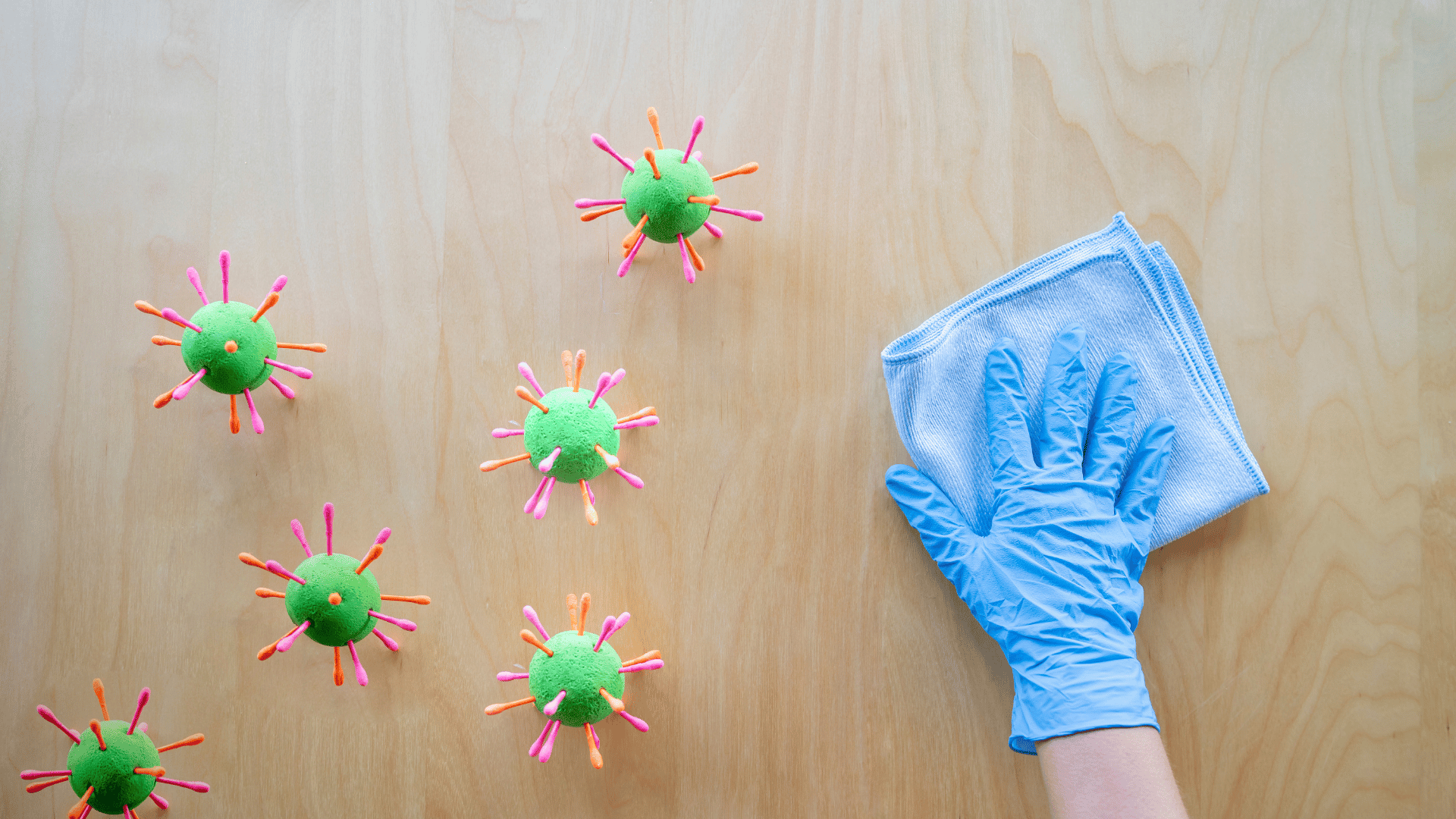
In public spaces, hospitals, offices, and schools, surfaces become contaminated far more quickly than most people realize. Studies show that up to 20% of hospital- and community-acquired infections originate from contaminated surfaces, making surface hygiene a critical factor in preventing disease spread. Traditional cleaning methods — spraying disinfectant, wiping surfaces, or using scheduled sanitizer cycles — are simply not enough anymore.
The Problem With Intermittent Cleaning
Most disinfection strategies share two major weaknesses:
1. They work only at the moment of application
Once the surface is wiped clean, microbial contamination begins again. A door handle in a hospital may be touched hundreds of times in a single hour — far more often than it’s disinfected.
2. They rely on human consistency
Cleaning schedules are vulnerable to human error, time pressure, or inconsistent execution. Even short lapses create windows for microbial spread.
This gap between cleaning cycles leaves surfaces unprotected and allows bacteria and viruses to repopulate quickly.
Why Continuous Antimicrobial Coatings Offer a Better Solution
Unlike disinfectants that work briefly, antimicrobial coatings provide ongoing protection. They embed biocidal agents directly into the surface, reducing bacterial growth for extended periods.
These coatings can:
- continuously inhibit microbial colonization
- reduce biofilm formation
- lower infection risks in high-touch environments
- reduce dependence on harsh cleaning chemicals
Various technologies exist — silver nanoparticles, copper ions, quaternary ammonium compounds — but most share one drawback: you can’t see when they stop working.
Their efficacy declines due to environmental exposure, wear, cleaning cycles, and biocide depletion. Yet users have no built-in way to tell when the coating should be reapplied.

The Next Evolution: Coatings That Reveal Their Own Performance
New research now focuses on “smart” antimicrobial coatings — materials able to signal real-time information about their presence and biocidal activity.
This next generation of coatings integrates:
- luminescent materials for visual verification
- surface-responsive optical signals to indicate active antimicrobial function
In other words, the coating can “tell” you:
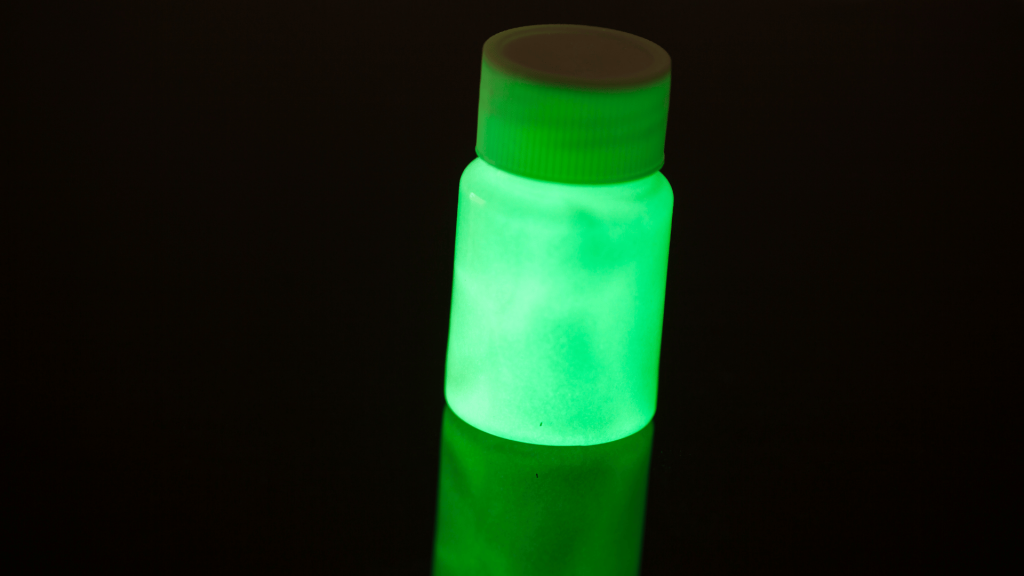
- I am still here (bulk luminescence)
- I am still working (surface chemiluminescence)
This approach bridges the trust gap between users and sanitation technology, making hygiene monitoring simpler, faster, and more reliable.
Why This Matters for Public Health
Smarter, self-indicating antimicrobial coatings:
- increase user confidence
- reduce infections
- ensure timely reapplication
- optimize material use
- improve environmental sustainability
- lower maintenance and cleaning costs
In high-risk environments — hospitals, laboratories, transportation, food processing — these benefits translate into safer spaces and fewer preventable illnesses.
The Future of Surface Hygiene
Traditional cleaning is no longer enough for today’s world.
Continuous antimicrobial protection with real-time monitoring represents the most effective, scalable way to safeguard public and private environments.
Human-controlled cleaning cycles worked for decades — but smart materials will define the next era of hygiene management.